
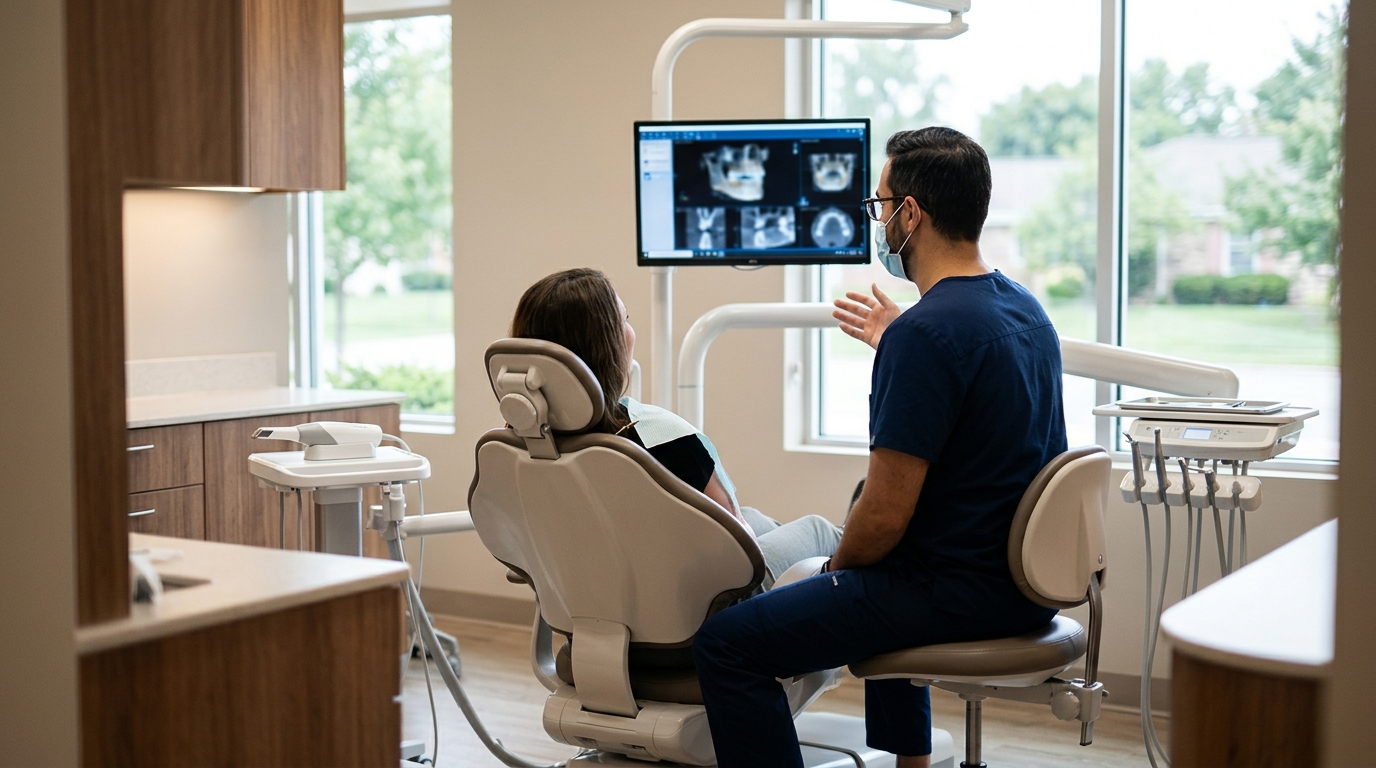
A comprehensive diagnostic exam is a detailed clinical assessment that evaluates oral health, structural integrity, and functional needs before restorative treatment begins. At LI Dental Group in Garden City, this process ensures that any planned restorative work addresses the root cause of dental issues rather than just the symptoms. By gathering precise data through visual inspection, imaging, and digital scanning, the dental team can design a treatment plan that prioritizes long-term stability and patient comfort.
The Role of Clinical Examination in Diagnosis
The foundation of any restorative plan is a thorough physical examination of the teeth, gums, and surrounding tissues. A dentist is a licensed healthcare professional who uses visual and tactile methods to identify decay, fractures, and periodontal disease. During this phase, the clinician checks for signs of wear, sensitivity, and inflammation that might not be visible to the patient. This hands-on assessment helps determine the urgency of the case and the specific areas requiring intervention.
For example, a patient presenting with a chipped front tooth may appear to need a simple filling, but the exam might reveal underlying structural weakness that requires a crown. The dentist evaluates the bite force and the condition of the opposing teeth to ensure the restoration will withstand daily function. This level of detail prevents future complications and ensures that the chosen treatment material is appropriate for the specific location in the mouth.
Advanced Imaging and Diagnostic Tools
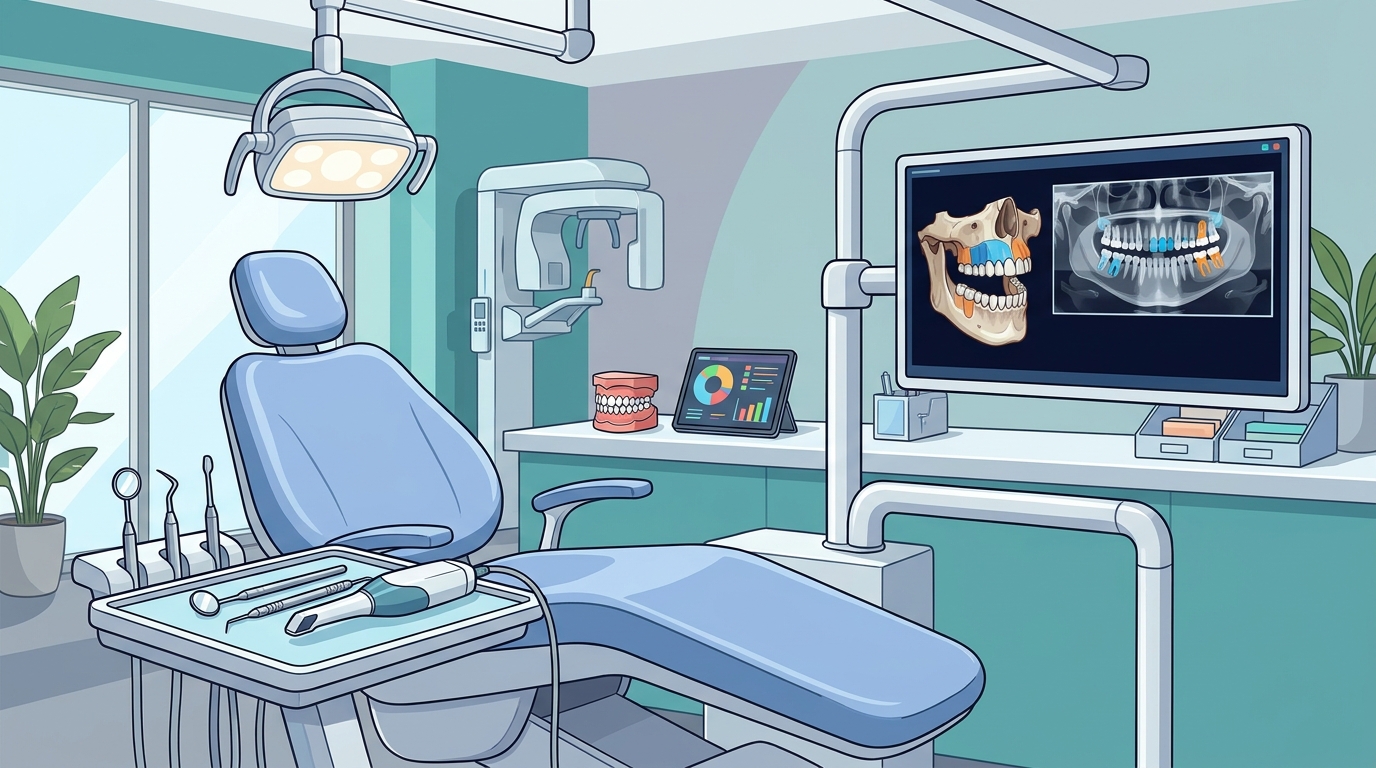
Visual examination alone cannot reveal the internal structure of a tooth or the condition of the jawbone. Diagnostic imaging, such as X-rays and 3D digital scanning, provides a complete picture of the oral environment. A 3D digital scanner is a device that captures high-resolution images of the teeth and gums to create a digital model. This technology allows the dentist to assess the fit of a restoration and plan the procedure with greater precision than traditional methods.
At LI Dental Group, the use of 3D digital scanning helps in planning complex restorations like bridges and implants. The digital model allows the lab to fabricate restorations that match the patient's natural anatomy closely. Additionally, X-rays are essential for detecting decay between teeth or beneath existing fillings. By combining these imaging tools, the dental team can identify hidden issues that would otherwise go unnoticed until they become severe.
Assessing Bite and Functional Health
Restorative dentistry is not just about aesthetics; it is about restoring function. A comprehensive exam includes an assessment of the patient's bite, or occlusion. Occlusion is the way the upper and lower teeth fit together when the jaw closes. Problems with the bite can cause excessive wear on restorations or lead to jaw pain and headaches. The dentist analyzes how the teeth contact each other during chewing and speaking to identify any imbalances.
If a patient has a history of grinding or clenching, known as bruxism, this must be factored into the restorative plan. The dentist may recommend a night guard or choose a more durable material for the restoration. Understanding the functional demands on the teeth ensures that the new restoration lasts as long as possible. This functional assessment is a critical component of the diagnostic process that many patients overlook but is vital for long-term success.
Developing a Personalized Treatment Plan
Once the diagnostic data is collected, the dentist synthesizes the findings to create a personalized treatment plan. This plan outlines the recommended restorative procedures, the sequence of treatment, and the expected outcomes. The dentist explains the options available, including the benefits and limitations of each. For instance, a patient with a large cavity might be offered a composite filling, an inlay, or a crown, depending on the amount of healthy tooth structure remaining.
At LI Dental Group, the team takes time to discuss these options with the patient, ensuring they understand the rationale behind each recommendation. The plan also includes a timeline for the treatment and any necessary follow-up appointments. This collaborative approach empowers the patient to make informed decisions about their oral health. The goal is to provide care that is not only effective but also aligns with the patient's personal and financial goals.
The Importance of Patient Consultation
The diagnostic exam is not a one-way process; it involves active communication between the dentist and the patient. The dentist asks about the patient's medical history, current medications, and any concerns about the treatment. This information is crucial for ensuring the safety and success of the restorative work. For example, certain medical conditions or medications can affect healing and the choice of materials.
Patients are encouraged to ask questions and express their preferences regarding the appearance and function of their teeth. The dentist listens to these concerns and incorporates them into the treatment plan. This patient-centered approach builds trust and ensures that the patient feels comfortable and confident in their care. At LI Dental Group, the team is dedicated to providing compassionate and thorough care, making the diagnostic process a positive experience for every patient.
Key Takeaways
- A comprehensive diagnostic exam is a multi-step process that includes visual inspection, imaging, and functional assessment.
- Advanced tools like 3D digital scanning provide precise data for planning restorative work.
- Assessing the bite and jaw function is essential for ensuring the longevity of restorations.
- A personalized treatment plan considers the patient's medical history, preferences, and financial goals.
- Active communication between the dentist and patient is key to a successful and comfortable treatment experience.
- Choosing a practice that prioritizes thorough diagnostics, like LI Dental Group, ensures better long-term outcomes.
Frequently Asked Questions
How long does a comprehensive diagnostic exam take?
The duration of a comprehensive diagnostic exam varies depending on the complexity of the case. A standard exam may take 30 to 60 minutes, while a more detailed assessment involving imaging and digital scanning can take longer. The dentist will explain the process and the expected time commitment during the initial consultation.
Is a diagnostic exam painful?
No, a diagnostic exam is generally painless. It involves visual inspection, gentle probing, and imaging. If any discomfort is felt, the patient should inform the dentist immediately. The goal is to gather information without causing any pain or distress.
What is the difference between a routine cleaning and a diagnostic exam?
A routine cleaning focuses on removing plaque and tartar from the teeth and gums. A diagnostic exam is a more in-depth assessment that includes imaging, bite analysis, and a review of the patient's medical history. While a cleaning is part of preventive care, a diagnostic exam is used to plan specific treatments like restorations.
Do I need a new diagnostic exam if I already have X-rays?
X-rays have a limited lifespan, and new images may be needed to detect changes in the teeth or jawbone. The dentist will determine if new imaging is necessary based on the time since the last exam and the patient's current symptoms. This ensures that the treatment plan is based on the most up-to-date information.
How does a dentist decide between a filling and a crown?
The decision depends on the extent of the damage to the tooth. If a significant portion of the tooth structure is missing, a crown may be recommended to provide strength and protection. If the damage is limited, a filling may be sufficient. The dentist will explain the pros and cons of each option during the consultation.
Start Your Restorative Journey with Confidence
Understanding the comprehensive diagnostic exam is the first step toward achieving a healthy and beautiful smile. By investing in a thorough assessment, you ensure that your restorative treatment is based on accurate data and tailored to your unique needs. At LI Dental Group in Garden City, we are committed to providing the highest standard of care, from the initial exam to the final restoration. To schedule your comprehensive diagnostic exam, contact our office today and take the first step toward a confident smile. Learn more: Contact Our Garden City.