
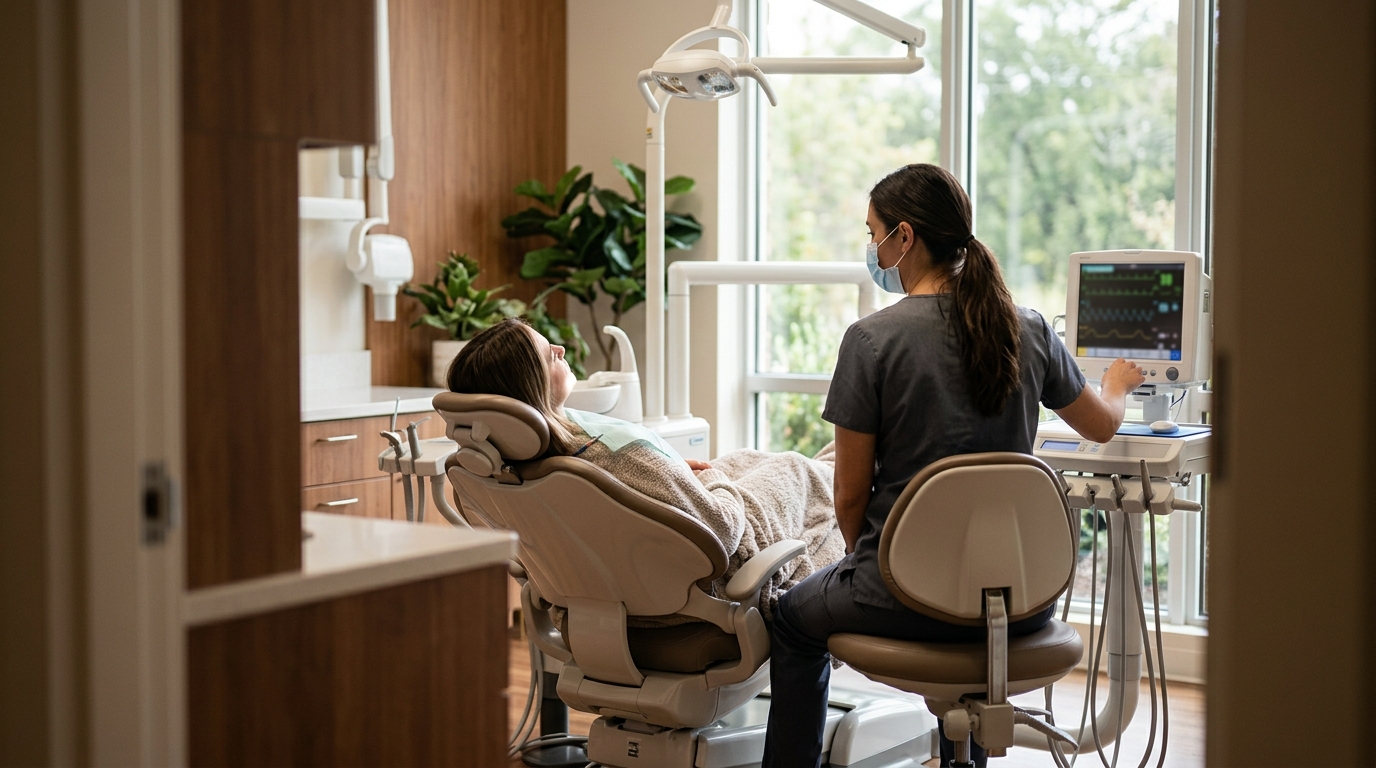
Yes, sedation dentistry is generally safe for patients with severe dental anxiety when administered by qualified professionals. At LI Dental Group in Garden City, we prioritize patient comfort by offering tailored sedation options that allow you to relax during treatment. Safety depends on a thorough medical evaluation, the specific type of sedation used, and proper monitoring during the procedure. Understanding these factors helps you make an informed decision about your care.
Understanding the Types of Dental Sedation
Dental sedation is the use of medication to help patients relax or reduce anxiety during dental procedures. It is not a one-size-fits-all solution; rather, it involves a spectrum of options ranging from mild relaxation to deeper states of unconsciousness. The choice of sedation depends on your level of anxiety, the complexity of the procedure, and your overall health.
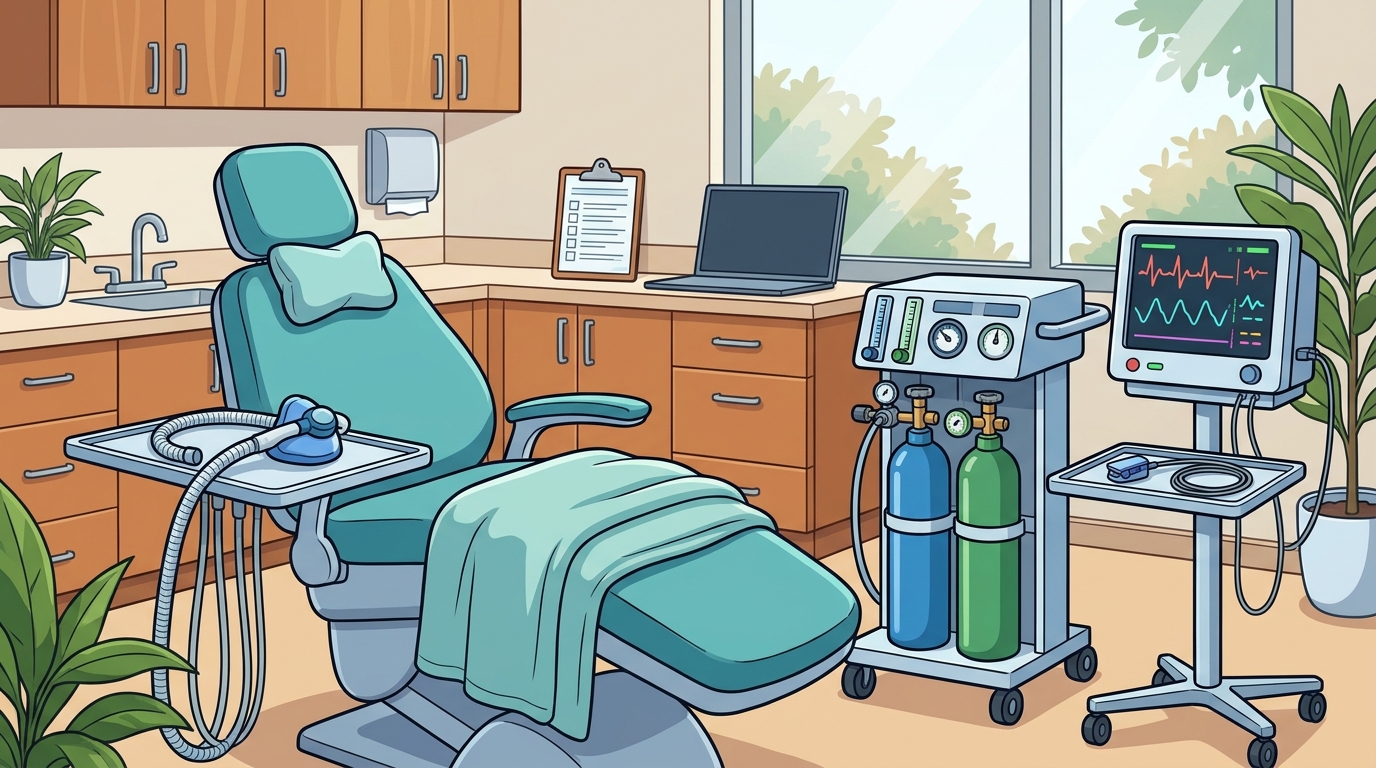
Local anesthesia is the most common form of pain control, numbing a specific area of the mouth. For patients with higher anxiety, nitrous oxide, often called laughing gas, is a popular option. It is inhaled through a nasal mask and allows patients to remain awake and responsive while feeling relaxed. IV sedation is a deeper level of sedation where medication is delivered through a vein, often resulting in little to no memory of the procedure. Each method has distinct benefits and risks that must be discussed with your dentist.
At LI Dental Group, our team evaluates your specific needs to determine the most appropriate level of sedation. We do not assume that every anxious patient requires the deepest level of sedation. Instead, we match the treatment to your comfort level and clinical requirements.
The Role of Medical Evaluation in Safety
The primary safeguard in sedation dentistry is a comprehensive medical history review. Before any sedation is administered, your dentist will ask detailed questions about your medical conditions, current medications, allergies, and previous experiences with anesthesia. This step is critical because certain health issues, such as heart conditions or breathing problems, can affect how your body responds to sedative medications.
For example, a patient with a history of asthma may require a different monitoring protocol than a patient with no respiratory issues. Your dentist will also ask about any previous adverse reactions to sedatives or anesthesia. This information allows the clinical team to plan a safe approach and prepare for any potential complications. If you are taking blood thinners or other medications, it is essential to disclose this, as it can impact healing and bleeding risks during the procedure.
At our Garden City office, we take time to discuss these factors thoroughly. We believe that transparency and open communication are key to a safe and positive experience. You should feel comfortable asking questions about your health history and how it might influence your sedation plan.
Monitoring and Professional Standards
Professional monitoring is the backbone of safe sedation dentistry. During the procedure, a qualified dental professional monitors your vital signs, including heart rate, blood pressure, and oxygen levels. This continuous monitoring ensures that any changes in your condition are detected and addressed immediately. The level of monitoring required depends on the type of sedation used. For nitrous oxide, monitoring is less intensive than for IV sedation, which requires more rigorous oversight.
The American Dental Association (ADA) and the American Society of Anesthesiologists (ASA) provide guidelines for the safe administration of sedation in dental settings. These guidelines emphasize the importance of proper training, equipment, and emergency protocols. Dentists who offer sedation services should be trained in advanced cardiac life support (ACLS) and have the necessary equipment to manage emergencies. At LI Dental Group, our team adheres to strict safety protocols to ensure your well-being throughout the visit.
It is also important to understand who will be administering and monitoring the sedation. You should ask about the qualifications of the staff involved in your care. Knowing that a trained professional is watching over you can significantly reduce anxiety and increase your confidence in the procedure.
Preparing for Your Sedation Appointment
Preparation is a crucial part of ensuring a safe and smooth sedation experience. Your dentist will provide specific instructions on how to prepare for your appointment. These instructions typically include guidelines on eating and drinking before the procedure. For example, if you are receiving IV sedation, you may be asked to fast for a certain number of hours beforehand to reduce the risk of nausea or aspiration.
You will also need to arrange for transportation. Sedation can impair your judgment and coordination, so you should not drive yourself home after the procedure. A responsible adult should accompany you to the office and drive you back. This person can also help you during the recovery period, which may involve drowsiness or confusion. It is important to plan ahead and ensure that you have support in place.
At LI Dental Group, we provide clear written instructions to help you prepare. We also encourage you to bring a list of your medications and any relevant medical records. This preparation helps us tailor your care and ensures that we have all the information needed to keep you safe.
Addressing Anxiety and Building Trust
Sedation dentistry is not just about medication; it is also about creating a supportive environment. Many patients with dental anxiety benefit from non-pharmacological comfort measures, such as noise-canceling headphones, blankets, or the ability to take breaks. At LI Dental Group, we focus on building a relationship of trust with our patients. We take the time to listen to your concerns and explain each step of the procedure.
For some patients, the fear of the unknown is the biggest barrier. By providing clear explanations and setting realistic expectations, we help demystify the process. You should feel empowered to communicate your needs and preferences. If you are uncomfortable with a particular aspect of the treatment, let us know. We are committed to making your experience as comfortable and positive as possible.
Choosing a dentist who understands and respects your anxiety is essential. At LI Dental Group, we are dedicated to providing compassionate care that addresses both your physical and emotional needs. Our goal is to help you overcome your fear and achieve a healthy, confident smile.
Key Takeaways
- Sedation dentistry is safe when administered by qualified professionals with proper medical evaluation.
- There are different levels of sedation, from nitrous oxide to IV sedation, each with specific benefits and risks.
- A thorough medical history review is critical to identifying potential risks and planning a safe approach.
- Continuous monitoring of vital signs during the procedure is a standard safety protocol.
- Patients should follow pre-appointment instructions, including fasting and arranging transportation.
- Building trust and open communication with your dental team can significantly reduce anxiety.
- At LI Dental Group, we prioritize patient comfort and safety with personalized sedation plans.
Frequently Asked Questions
Is sedation dentistry safe for people with heart conditions?
Sedation dentistry can be safe for patients with heart conditions, but it requires careful planning. Your dentist will review your medical history and may consult with your primary care physician. The type of sedation used will depend on your specific health status and the complexity of the procedure. Proper monitoring is essential to ensure your safety.
Will I remember the procedure if I get sedated?
Memory of the procedure depends on the type of sedation used. With nitrous oxide, you will likely remember the visit but feel relaxed. With IV sedation, you may have little to no memory of the procedure. Your dentist will discuss the expected level of awareness and memory with you before treatment.
How long does sedation last?
The duration of sedation varies by method. Nitrous oxide wears off quickly, and you can usually drive home shortly after the procedure. IV sedation can last longer, and you will need a responsible adult to drive you home. Your dentist will provide specific guidance on recovery time based on the sedation used.
Can I eat before a sedation appointment?
Eating instructions depend on the type of sedation. For nitrous oxide, you can usually eat a light meal beforehand. For IV sedation, you may need to fast for several hours. Follow the specific instructions provided by your dental team to ensure your safety.
Is sedation dentistry covered by insurance?
Insurance coverage for sedation dentistry varies by plan. Some plans may cover sedation if it is deemed medically necessary, while others may not. It is best to check with your insurance provider and our office to understand your coverage and potential out-of-pocket costs.
What should I do if I have a strong gag reflex?
If you have a strong gag reflex, let your dental team know before the procedure. They can use techniques to minimize discomfort, such as adjusting the position of instruments or using a different approach. Sedation can also help reduce the gag reflex, making the procedure more comfortable.
Take the Next Step Toward a Comfortable Visit
If dental anxiety is holding you back from getting the care you need, know that you are not alone. Many patients find that sedation dentistry transforms their experience from a source of fear to a manageable and even positive visit. At LI Dental Group, we are committed to providing safe, compassionate, and effective care for patients of all ages. Our team is experienced in managing dental anxiety and can help you find the right sedation option for your needs. To schedule a consultation or learn more about our sedation services, contact our office today. We look forward to helping you achieve a healthy and confident smile.