

Key Factors That Influence Veneer Pricing
The final cost of your smile transformation is rarely a flat rate. Several clinical and logistical variables determine the price of each restoration. Understanding these factors helps you plan your budget more accurately.
Number of Teeth Treated
Most patients seeking cosmetic improvement treat the eight visible front teeth. However, some individuals only need two or four veneers to address specific chips or gaps. The total cost scales directly with the number of units required. Treating fewer teeth reduces the overall financial commitment but may not achieve the balanced aesthetic you desire.
Material Quality and Laboratory Fees
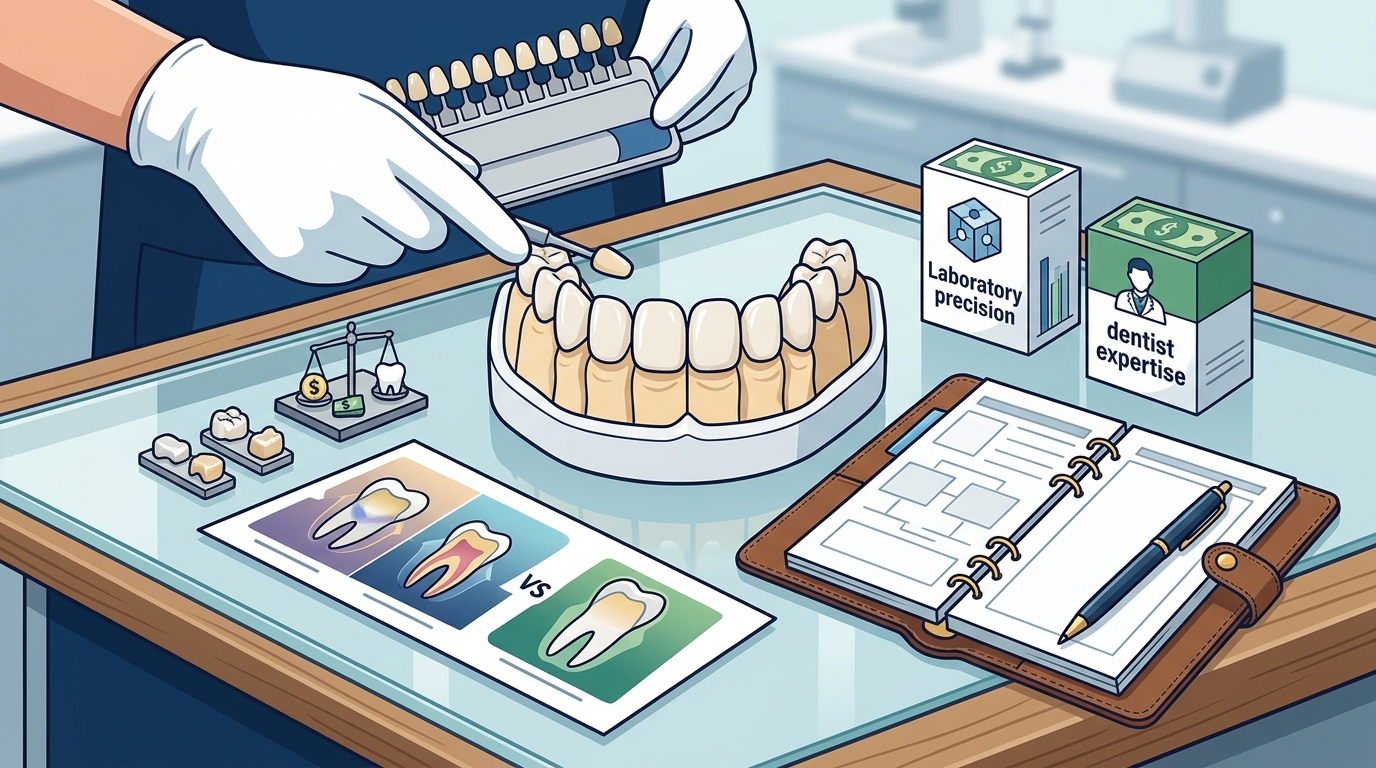
Porcelain veneers are custom-crafted in dental laboratories. The cost includes the dentist's clinical time, the laboratory fabrication fees, and the materials used. High-grade porcelain offers superior translucency and durability compared to composite resin. While composite bonding is cheaper, it does not offer the same long-term aesthetic stability as porcelain.
Clinical Complexity
Preparation of the tooth structure varies by patient. If your teeth require significant reshaping or if you have underlying decay that must be treated first, the procedure becomes more complex. These additional steps require more chair time and specialized materials, which impacts the final invoice.
Insurance Coverage and Payment Options
Most dental insurance plans classify veneers as a cosmetic procedure, meaning they are often not covered. However, if the veneers are needed to restore a fractured tooth or address a functional issue, some insurance plans may provide partial coverage. It is essential to review your specific policy details before scheduling treatment.
Understanding Cosmetic Exclusions
Insurance companies typically exclude purely aesthetic enhancements. If your teeth are healthy but you want to change their color or shape, you will likely pay the full cost out of pocket. We recommend contacting your insurance provider to confirm your benefits for restorative versus cosmetic work.
Financing and Payment Plans
Many patients use financing options to spread the cost of their treatment. LI Dental Group accepts CareCredit and other financing solutions to make high-quality care more accessible. These plans allow you to pay in monthly installments rather than a single large sum. Discussing payment options during your consultation helps you choose a plan that fits your financial situation.
Porcelain Veneers vs. Composite Bonding
Patients often compare porcelain veneers with composite bonding when budgeting. Composite bonding uses a tooth-colored resin applied directly to the tooth. It is generally less expensive and can often be completed in a single visit. However, it is less durable and more prone to staining over time.
Durability and Longevity
Porcelain veneers are highly resistant to staining and wear. With proper care, they can last 10 to 15 years or longer. Composite bonding may last 5 to 7 years but often requires more frequent touch-ups. When calculating long-term value, porcelain is often the more economical choice despite the higher upfront cost.
Aesthetic Results
Porcelain mimics the light-reflecting properties of natural enamel more effectively than composite resin. This results in a more natural and lifelike appearance. For patients prioritizing aesthetics, the additional investment in porcelain is usually justified by the superior visual outcome.
Hidden Costs to Consider in Your Budget
The price of the veneers themselves is only part of the total expense. Several ancillary costs may arise during the treatment process. Being aware of these potential charges prevents financial surprises.
Preparatory Treatments
If you have cavities, gum disease, or cracked teeth, these issues must be addressed before veneers can be placed. Root canals, fillings, or periodontal therapy add to the total cost. A thorough examination at LI Dental Group helps identify these needs early in the planning phase.
Maintenance and Repairs
Veneers are not indestructible. They can chip or crack if you bite on hard objects or grind your teeth. If you have a habit of bruxism, a night guard may be recommended to protect your investment. The cost of a night guard and any future repairs should be factored into your long-term budget.
Getting an Accurate Estimate in Garden City
Online cost ranges are helpful for initial planning, but they cannot replace a professional evaluation. Your specific dental anatomy, bite alignment, and aesthetic goals all influence the final price. A consultation allows your dentist to examine your teeth and discuss your expectations in detail.
The Consultation Process
During your initial visit, we will review your oral health and take diagnostic records. This may include digital scans or photographs to visualize potential outcomes. We will then provide a written estimate that outlines the cost of each stage of treatment. This transparency ensures you know exactly what to expect before committing to care.
Why Choose LI Dental Group
Our team in Garden City combines advanced technology with compassionate care. We use digital tools to help you preview your new smile before treatment begins. This approach reduces uncertainty and helps you make informed decisions about your investment. Our goal is to provide you with a beautiful, healthy smile that fits your budget and lifestyle.
Key Takeaways
- Most dental insurance plans do not cover cosmetic veneers, though partial coverage may apply for restorative cases.
- Composite bonding is a lower-cost alternative but offers less durability and aesthetic longevity than porcelain.
- Preparatory treatments like fillings or gum therapy can increase the total cost of your smile makeover.
- Financing options like CareCredit can help spread the cost of treatment over time.
- A professional consultation is necessary to receive an accurate, individualized cost estimate.
Frequently Asked Questions
How long do porcelain veneers last?
With proper care and regular dental check-ups, porcelain veneers can last 10 to 15 years or longer. Avoiding habits like biting on ice or hard candies helps extend their lifespan.
Does insurance cover porcelain veneers?
Generally, no. Most insurance plans consider veneers a cosmetic procedure. However, if the veneer is needed to restore a broken or decayed tooth, some plans may offer partial coverage.
Are veneers permanent?
Veneers are a permanent restoration in the sense that they are bonded to your tooth. However, they are not guaranteed to last forever. They may need replacement due to wear, chipping, or changes in your oral health over time.
Can I whiten my teeth after getting veneers?
Whitening treatments do not affect the color of porcelain veneers. If you plan to whiten your natural teeth, it is best to do so before the veneers are placed to ensure a color match.
How many visits are needed for veneers?
Most patients require two visits. The first visit involves preparing the teeth and taking impressions. The second visit is for the placement of the final veneers. Temporary veneers may be used in between.
Is the procedure painful?
The procedure is typically performed under local anesthesia, so you should not feel pain during the preparation. Some sensitivity may occur after the anesthesia wears off, but this is usually mild and temporary.
Ready to Transform Your Smile?
Investing in porcelain veneers is a significant decision that requires careful planning and professional guidance. By understanding the cost factors, insurance limitations, and long-term benefits, you can make an informed choice that aligns with your goals. To plan your visit, contact our team today to schedule a consultation and receive a personalized estimate for your new smile.