

Understanding Composite Bonding Expenses
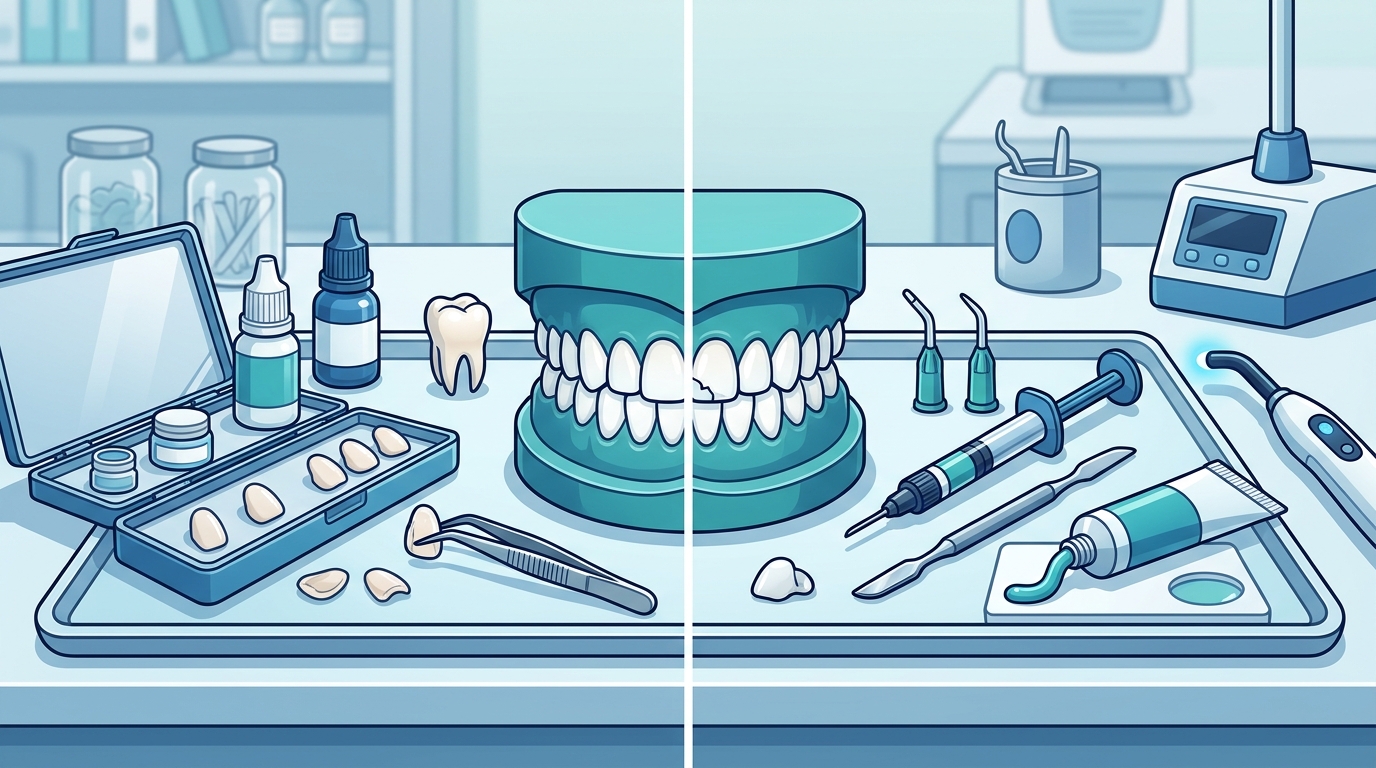
Composite bonding is a direct restorative procedure where a tooth-colored resin is applied to the tooth surface. Composite bonding is a minimally invasive treatment that usually requires only one visit. Because it uses materials that are less expensive than porcelain and requires less laboratory work, it is the most affordable option for minor chips.
The cost of bonding varies based on the complexity of the repair. A small chip on the edge of a tooth might cost less than a larger fracture that extends into the tooth structure. Most dental insurance plans cover a portion of bonding if it is deemed medically necessary to restore function, though cosmetic enhancements may be excluded.
At LI Dental Group, our team evaluates the extent of the damage before providing a quote. We use high-quality composite materials that match the shade of your natural teeth, ensuring a seamless appearance without the high cost of custom laboratory fabrication.
Analyzing Porcelain Veneer Pricing
Porcelain veneers are thin, custom-made shells that cover the front surface of the tooth. Porcelain veneers are a durable cosmetic solution designed to withstand the forces of chewing and resist staining over time. Because they are fabricated in a dental laboratory, the cost is significantly higher than bonding.
The price of a single veneer includes the cost of the porcelain material, the laboratory fees for fabrication, and the dentist's time for preparation and placement. Unlike bonding, veneers often require two visits: one for preparation and impressions, and a second for the final bonding. This multi-step process contributes to the higher overall expense.
While veneers are a larger investment, they offer long-term durability. They are less likely to chip or stain compared to composite resin. For patients who want a long-lasting solution for a chipped front tooth, the higher upfront cost of a veneer may be justified by its longevity and aesthetic stability.
How Insurance Affects Your Out-of-Pocket Costs
Dental insurance coverage for tooth repair depends on the classification of the procedure. Many plans categorize bonding as a restorative service, which may be covered at a higher percentage than cosmetic procedures. Veneers are often classified as cosmetic, meaning insurance may cover little to none of the cost.
However, if a chipped tooth is causing pain or sensitivity, the repair may be considered medically necessary. In such cases, insurance might cover a portion of the treatment. It is important to review your specific plan's benefits before choosing a treatment. LI Dental Group accepts most major PPO plans and can help you understand your coverage.
For patients without insurance, financing options are available. We offer CareCredit financing to help spread the cost of treatment over time. This makes it possible to address a chipped tooth without paying the full amount upfront. Understanding your insurance and financing options helps you make an informed decision about your dental care.
Comparing Long-Term Value and Maintenance
When comparing costs, consider the lifespan of each treatment. Composite bonding typically lasts between five and seven years, depending on oral habits and maintenance. Porcelain veneers can last 10 to 15 years or longer with proper care. The lower initial cost of bonding may be offset by the need for more frequent repairs or replacements.
Maintenance is also a factor. Bonded teeth may require more frequent polishing to maintain their shine, while veneers are more resistant to staining. Both treatments require good oral hygiene and regular dental checkups. At LI Dental Group, we provide guidance on caring for your restorations to maximize their lifespan.
Choosing between bonding and veneers is not just about the initial price. It is about finding the right balance between cost, durability, and aesthetics. Our team will help you evaluate your specific situation and recommend the best option for your long-term oral health.
Key Takeaways
- Insurance may cover bonding if deemed medically necessary, but veneers are often classified as cosmetic.
- Bonding usually requires one visit, while veneers require two visits for preparation and placement.
- Composite bonding lasts 5-7 years, while porcelain veneers can last 10-15 years or more.
- Financing options like CareCredit are available at LI Dental Group to help manage treatment costs.
Frequently Asked Questions
Is bonding a permanent fix for a chipped tooth?
Bonding is a durable treatment, but it is not permanent. It typically lasts five to seven years before it may need repair or replacement. The lifespan depends on factors like your bite, diet, and oral hygiene habits.
Do veneers require drilling?
Yes, veneers usually require a small amount of tooth structure to be removed to make room for the shell. This preparation is generally minimal but is irreversible. Bonding, on the other hand, often requires little to no drilling.
Can I eat normally after getting a veneer?
Yes, you can eat normally after getting a veneer. However, you should avoid biting into very hard objects like ice or hard candy, as this can damage the veneer. Bonded teeth also require care to avoid chipping.
How long does the bonding procedure take?
The bonding procedure usually takes one visit and can be completed in about 30 to 60 minutes. The dentist applies the resin, shapes it, and hardens it with a special light, all in a single appointment.
Does insurance cover cosmetic veneers?
Most insurance plans do not cover cosmetic veneers. However, if the veneer is needed to restore function or protect a damaged tooth, some coverage may apply. Check with your provider for specific details.
Can I whiten my teeth after getting bonding?
Whitening does not affect composite bonding or porcelain veneers. If you plan to whiten your teeth, it is best to do so before getting bonding or veneers so the new restorations can be matched to your new shade.
Schedule Your Consultation at LI Dental Group
Understanding the cost of repairing a chipped front tooth is the first step toward restoring your smile. Whether you choose the affordability of composite bonding or the durability of porcelain veneers, the right treatment depends on your specific needs. At LI Dental Group, we provide personalized care and transparent pricing to help you make the best decision for your oral health. To plan your visit, contact our team today to schedule a consultation and discuss your options. Learn more: Contact Our Garden City.