
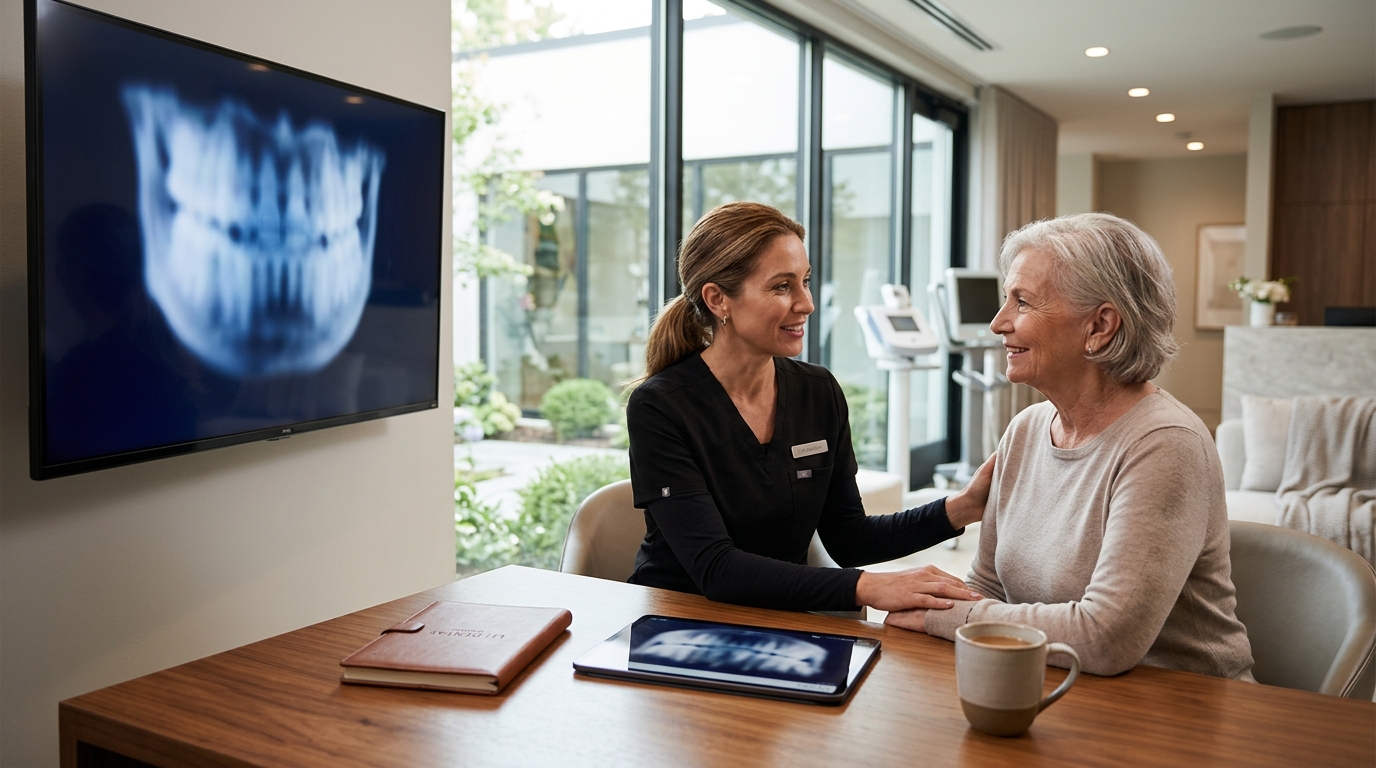
Practices offering personalized treatment plans for restorative dentistry, such as LI Dental Group in Garden City, NY, create custom strategies based on individual anatomy, lifestyle, and aesthetic goals. This guide covers how personalized planning works, the specific restorative procedures available, and the role of digital diagnostic technology in modern care. according to BLM Co Founder
Personalized Treatment Plans
Personalized treatment planning is the process of designing a dental care strategy tailored to a specific patient's unique oral anatomy, medical history, and cosmetic expectations. Standardized care often fails to address the complex interplay between bite mechanics, gum health, and facial aesthetics. A truly personalized approach ensures that every restoration supports long-term function rather than just immediate appearance.
Assessing Individual Needs
At LI Dental Group, the planning process begins with a comprehensive clinical exam. The dentist evaluates the condition of existing teeth, the health of the supporting bone, and the alignment of the bite. This baseline data is critical for determining which restorative options are viable. For example, a patient with significant bone loss may require a different implant strategy than one with healthy bone density.
Integrating Lifestyle and Aesthetics
Modern restorative dentistry considers how a patient lives. Factors such as bruxism (teeth grinding), dietary habits, and professional image requirements influence material selection. A patient who plays contact sports may need more durable materials for anterior teeth. By integrating these lifestyle factors, the treatment plan becomes a sustainable solution that fits the patient's daily reality.
The Role of the Prosthodontist
For complex cases, a prosthodontist leads the treatment team. Dr. Arman Roksar, a prosthodontist at LI Dental Group, specializes in full-mouth rehabilitation and implant dentistry. His advanced training allows him to manage cases from the surgical phase to the final restoration, ensuring continuity of care. This specialized oversight is a hallmark of high-quality personalized planning.
Restorative Dentistry Procedures
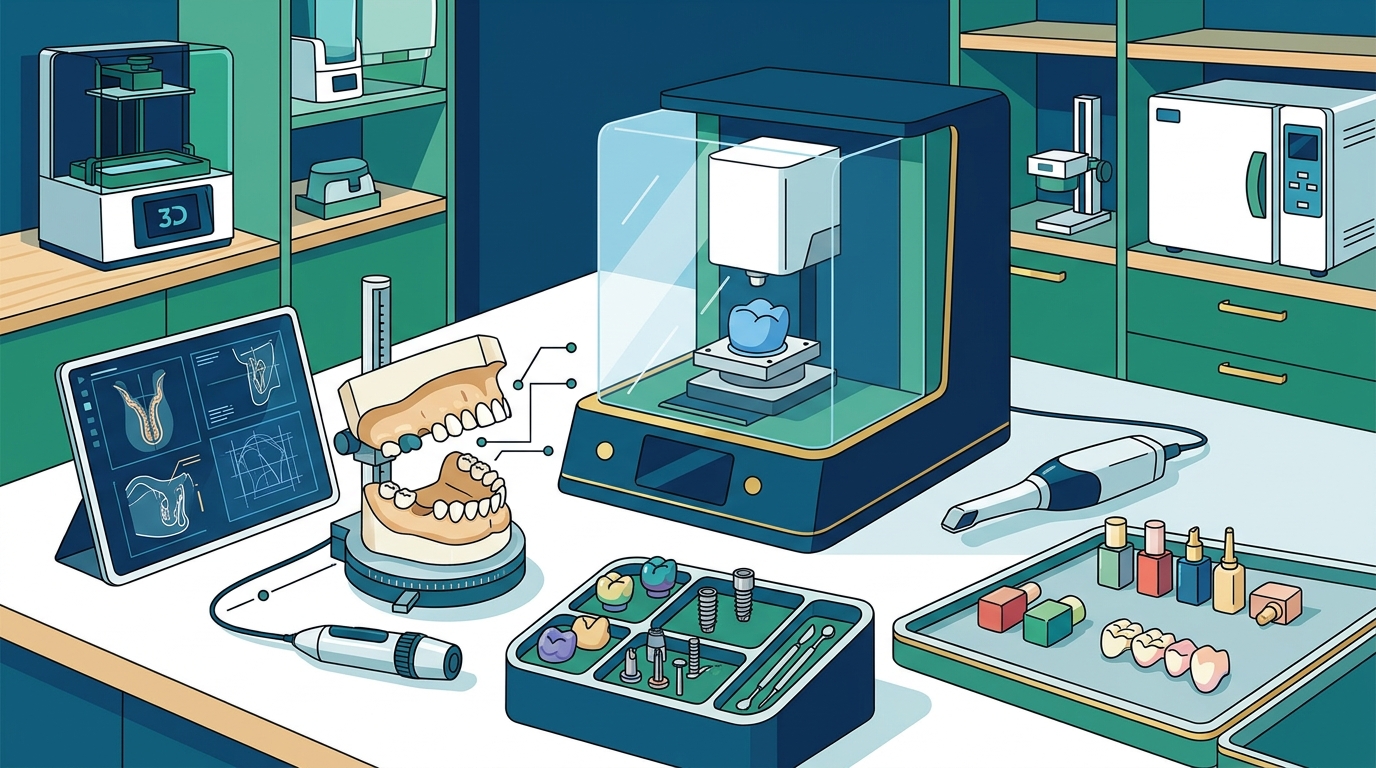
Restorative dentistry is the branch of dentistry focused on repairing or replacing damaged teeth to restore function and aesthetics. The choice of procedure depends on the extent of the damage and the patient's specific goals. LI Dental Group offers a comprehensive range of restorative services, from simple fillings to full-arch implant solutions.
Conservative Restorations
For minor damage, conservative treatments preserve the maximum amount of natural tooth structure. Composite fillings are a common example, using tooth-colored resin to repair decay or chips. These restorations are durable and blend seamlessly with natural teeth. They are often the first line of defense in a restorative plan.
Fixed Restorations
When a tooth is significantly damaged, a crown or bridge may be necessary. A dental crown is a cap that covers the entire tooth, restoring its shape and strength. Dental bridges replace one or more missing teeth by anchoring artificial teeth to adjacent natural teeth or implants. These fixed restorations provide stability and prevent surrounding teeth from shifting.
Implant-Based Solutions
Dental implants are the gold standard for replacing missing teeth. They act as artificial roots, fusing with the jawbone to support crowns, bridges, or dentures. For patients missing an entire arch, options like Teeth in a Day or Stabili-Teeth provide a fixed, permanent solution. These advanced procedures require precise planning and surgical skill, which is why they are often handled by specialists like Dr. Roksar.
| Procedure | Primary Use | Key Benefit |
|---|---|---|
| Composite Fillings | Repairing decay or minor chips | Preserves natural tooth structure |
| Dental Crowns | Restoring severely damaged teeth | Restores strength and shape |
| Dental Bridges | Replacing 1-3 missing teeth | Prevents adjacent teeth from shifting |
| Dental Implants | Replacing single or multiple teeth | Preserves bone and mimics natural teeth |
| Full-Arch Implants | Replacing an entire arch | Provides fixed, stable chewing ability |
Digital Diagnostic Technology
Digital diagnostic technology is the use of computerized imaging and scanning tools to create precise 3D models of a patient's mouth. This technology has revolutionized restorative dentistry by improving accuracy, reducing chair time, and enhancing patient comfort. At LI Dental Group, 3D digital scanning is a core component of the diagnostic process.
3D Digital Scanning
Traditional impressions involve taking molds with putty-like materials, which can be uncomfortable and less accurate. 3D digital scanners capture high-resolution images of the teeth and gums, creating a virtual model. This model allows the dentist to plan restorations with millimeter precision. It also enables patients to see a preview of their potential new smile before treatment begins.
Enhancing Treatment Accuracy
Digital technology plays a critical role in implant placement. By analyzing 3D scans, dentists can determine the optimal position and angle for implants, avoiding vital structures like nerves and blood vessels. This precision reduces the risk of complications and improves the long-term success of the restoration. It also allows for the design of custom abutments and crowns that fit perfectly.
Patient Communication
One of the most significant benefits of digital diagnostics is improved patient communication. Visualizing the treatment plan on a screen helps patients understand the proposed changes and make informed decisions. This transparency builds trust and ensures that the final result aligns with the patient's expectations. It is a key element of the personalized care philosophy at LI Dental Group.
Key Takeaways
- Personalized treatment plans are essential for achieving long-term success in restorative dentistry.
- Restorative procedures range from conservative fillings to complex full-arch implant solutions.
- Digital diagnostic technology, such as 3D scanning, enhances accuracy and patient comfort.
- Prosthodontists play a crucial role in managing complex restorative cases.
- Continuity of care, from surgery to restoration, improves outcomes and reduces costs.
- Patients should look for practices that offer comprehensive diagnostics and specialized expertise.
- LI Dental Group in Garden City, NY, provides personalized restorative care with advanced technology.
Frequently Asked Questions
What is a personalized treatment plan in dentistry?
A personalized treatment plan is a customized strategy designed to address a patient's specific dental needs, taking into account their anatomy, health, and aesthetic goals.
How does digital scanning improve restorative dentistry?
Digital scanning provides precise 3D models of the mouth, allowing for accurate planning of restorations and implants, which reduces errors and improves fit.
Who should I see for complex restorative cases?
A prosthodontist is the ideal specialist for complex restorative cases, as they have advanced training in restoring missing teeth and full-mouth rehabilitation.
Are dental implants a permanent solution?
Dental implants are designed to be a long-term solution. With proper care, they can last for decades, often a lifetime, by fusing with the jawbone.
What is the difference between a crown and a bridge?
A crown covers a single damaged tooth, while a bridge replaces one or more missing teeth by anchoring artificial teeth to adjacent natural teeth or implants.
Does LI Dental Group offer sedation for anxious patients?
Yes, LI Dental Group offers sedation dentistry options, including IV sedation administered by a board-certified anesthesiologist, to ensure patient comfort.
Conclusion
Choosing the right practice for restorative dentistry is a critical decision that impacts your long-term oral health and confidence. Look for a team that combines specialized expertise with advanced technology and a commitment to personalized care. LI Dental Group in Garden City, NY, offers comprehensive restorative services, from simple fillings to complex full-arch implant solutions, all guided by a philosophy of individualized treatment planning. To discuss your specific needs and explore your options, to schedule a consultation today.