

Single Dental Implants
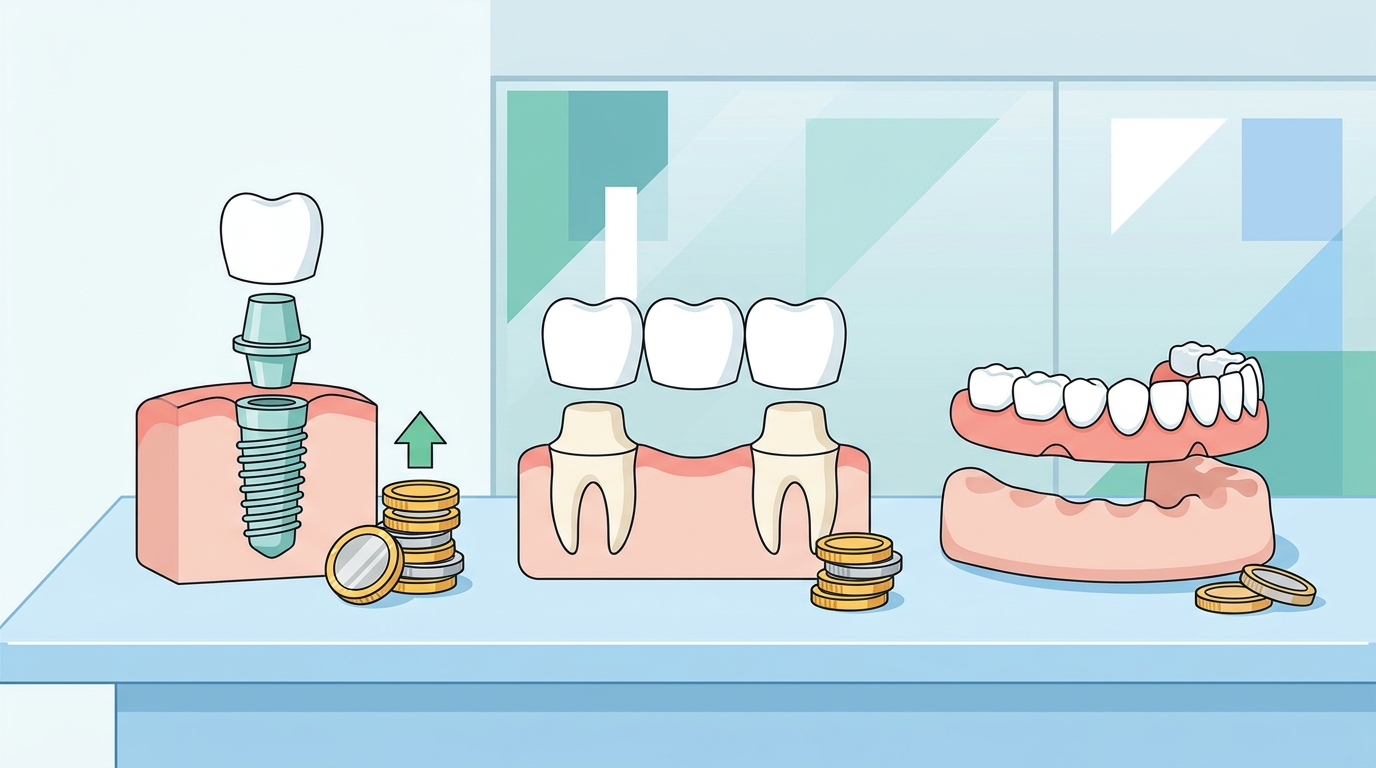
A single dental implant is a titanium post surgically placed into the jawbone to support a custom crown. This method is considered the gold standard for replacing a single missing tooth because it functions like a natural root. The cost includes the implant body, the abutment connector, and the final crown. While the initial investment is higher than other options, implants do not require the grinding down of neighboring teeth. This preservation of natural tooth structure is a critical factor when calculating long-term value.
Cost Factors and Longevity
Implant costs vary based on the materials used and the complexity of the surgery. If bone grafting is required due to previous bone loss, the total price increases. However, implants are designed to last decades with proper care. They also help prevent the jawbone from shrinking, a process that occurs when a tooth is missing. This bone preservation can save patients from more expensive reconstructive procedures in the future.
Dental Bridges
A dental bridge is a fixed restoration that uses crowns on the teeth adjacent to the gap to support a false tooth in the middle. This is a common alternative to implants for single missing teeth. The cost is generally lower than an implant because it does not involve surgery. However, the procedure requires preparing the healthy teeth on either side of the gap. This means removing enamel to make room for the crowns, which is an irreversible change.
Limitations and Maintenance
Bridges do not prevent bone loss in the area where the tooth is missing. Over time, the jawbone in that specific spot may shrink, which can affect the fit of the bridge and the overall appearance of the smile. Additionally, bridges have a shorter lifespan than implants and may need replacement after 10 to 15 years. When a bridge fails, the supporting teeth may also be compromised, leading to higher cumulative costs over a lifetime.
Removable Partial Dentures
A removable partial denture is a prosthetic device that replaces one or more missing teeth and can be taken out for cleaning. This is typically the most affordable option for replacing a single tooth. It does not require surgery or the alteration of adjacent teeth. The device uses clasps or precision attachments to stay in place. While it is a viable solution for some patients, it offers the least stability and can feel bulky in the mouth.
Functional Trade-offs
Patients with removable partials often report a different chewing experience compared to fixed options. The denture may shift during eating or speaking, which can affect confidence. Maintenance is also more intensive, as the appliance must be removed and cleaned daily. While the upfront cost is low, the need for periodic adjustments and eventual replacement due to changes in the mouth shape can add to the total expense over time.
Cost and Feature Comparison
| Feature | Single Implant | Dental Bridge | Removable Partial |
|---|---|---|---|
| Upfront Cost | Highest | Moderate | Lowest |
| Impact on Adjacent Teeth | None | Requires crowns | Minimal to None |
| Bone Preservation | Yes | No | No |
| Longevity | 20+ years | 10-15 years | 5-10 years |
| Removability | Fixed | Fixed | Removable |
| Surgical Requirement | Yes | No | No |
Choosing the Right Option for You
Selecting the best tooth replacement depends on your specific clinical needs and financial goals. Understanding the long-term implications of each choice helps you make an informed decision.
Choose an Implant If
You have sufficient bone density and want a permanent solution that preserves your natural teeth. This is the best choice for patients who prioritize long-term function and are willing to invest in a durable restoration. It is also ideal for preventing future bone loss.
Choose a Bridge If
You have healthy adjacent teeth that may already need crowns for other reasons, such as decay or large fillings. This option is suitable for patients who want a fixed solution but are not candidates for surgery due to health conditions or bone volume.
Choose a Removable Partial If
Budget is the primary constraint and you are comfortable with a removable appliance. This is a good temporary or long-term solution for patients who cannot afford fixed restorations or who have multiple missing teeth in different areas of the mouth.
Financing and Insurance Considerations
Dental insurance coverage varies significantly by plan. Many plans cover a portion of the cost for bridges and dentures as