

Patients often wonder how many years they can expect from cosmetic dental restorations. The lifespan of these treatments depends heavily on material choice, oral habits, and professional maintenance. Understanding these variables helps you protect your investment and maintain a healthy smile.
1. Material Composition and Durability
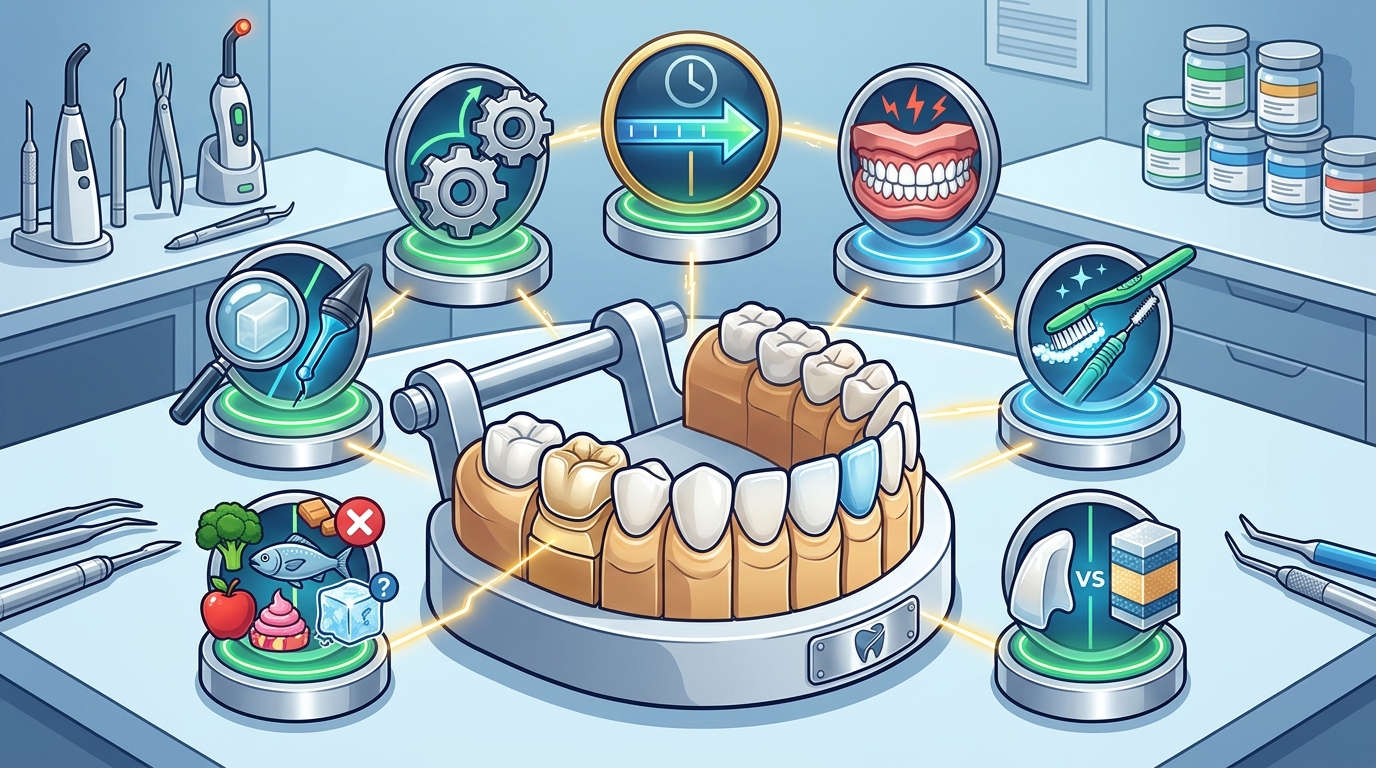
Porcelain veneers generally outlast composite bonding due to superior material strength. Porcelain is a ceramic material that resists staining and wear better than resin-based composites. Composite bonding is softer and more prone to chipping or discoloration over time. The specific formulation of the material used during placement also influences longevity.
2. Oral Hygiene and Home Care
Consistent brushing and flossing prevent decay at the margins of restorations. Plaque accumulation around the edges of veneers or bonding can lead to secondary cavities. This decay compromises the bond and may require replacement. Regular professional cleanings at LI Dental Group help remove tartar that home care cannot reach.
3. Dietary Habits and Staining Agents
Consuming hard or sticky foods can physically damage composite bonding. Porcelain is more resistant to staining from coffee, tea, and red wine. However, extreme temperature changes or biting into very hard items like ice or hard candy can crack either material. Moderation in diet extends the functional life of your front teeth.
4. Bruxism and Teeth Grinding
Unconscious grinding exerts excessive force that can fracture restorations. Many patients do not know they grind their teeth at night. This habit places significant stress on the bond between the restoration and the natural tooth. A custom night guard can protect your investment and prevent premature failure.
5. Initial Tooth Preparation and Bonding Quality
The precision of the initial preparation determines the stability of the final result. If the tooth is not properly etched or the adhesive is not cured correctly, the restoration may debond. Skilled clinicians ensure the bond is strong enough to withstand daily chewing forces. Proper case selection is critical for long-term success.
6. Regular Professional Monitoring
Routine checkups allow dentists to detect minor chips or wear early. Small issues can often be repaired before they become major failures. Ignoring a small chip can lead to further cracking or sensitivity. Scheduling regular exams ensures your restorations remain intact and functional.
7. Age and Natural Tooth Wear
Natural teeth change shape and color over decades, affecting the appearance of restorations. While the restoration itself may last, the surrounding natural teeth may wear down or darken. This can make the veneer or bonding look mismatched over time. Aesthetic updates may be needed even if the restoration is structurally sound.
Choosing the Right Longevity Strategy
Selecting between porcelain and composite depends on your specific goals and habits. If you grind your teeth or consume staining foods heavily, porcelain may offer better durability. For minor cosmetic fixes, bonding provides a quicker and less invasive option. Discuss your lifestyle with your dentist to choose the material that best fits your needs.
Frequently Asked Questions
How long do porcelain veneers typically last?
Porcelain veneers often last between 10 and 20 years. With excellent care and no significant trauma, they can last even longer. The material is highly resistant to staining and wear.
How long does composite bonding last on front teeth?
Composite bonding typically lasts between 5 and 10 years. It is more susceptible to staining and chipping than porcelain. Regular maintenance can extend its lifespan.
Can I eat hard foods with veneers or bonding?
You should avoid biting into very hard items like ice, nuts in shells, or hard candy. These foods can crack or chip the restoration. Treat your restorations with the same care as natural teeth.
Does teeth grinding affect the lifespan of restorations?
Yes, bruxism significantly reduces the lifespan of both veneers and bonding. The constant pressure can cause them to crack or debond. A night guard is recommended for patients who grind their teeth.
Do veneers and bonding stain over time?
Composite bonding is more prone to staining than porcelain. Porcelain is highly stain-resistant but can still show discoloration at the margins if oral hygiene is poor. Professional cleaning helps maintain the aesthetic appearance.
When should I replace my veneers or bonding?
Replace them if they chip, crack, debond, or show significant staining. Your dentist will evaluate the condition during routine exams. Early intervention can often repair minor issues without full replacement.