
Understanding the Components of Implant Pricing
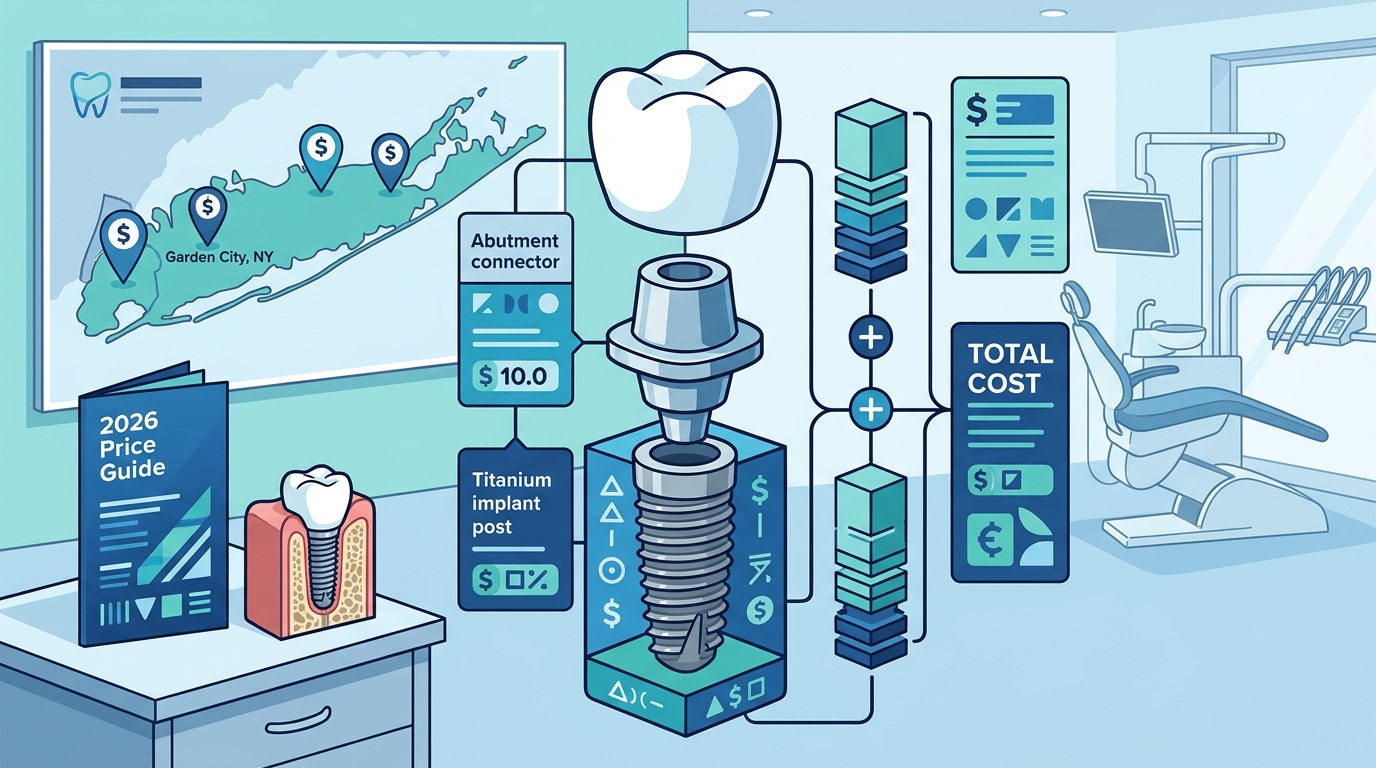
A dental implant is a titanium post surgically placed into the jawbone to serve as a root for a replacement tooth. The total cost is rarely a single line item; it is a sum of several distinct components. The implant post itself is the foundation, but the final visible tooth, known as the crown, is a separate expense. Additionally, an abutment is required to connect the post to the crown. When you see a quoted price, it is crucial to ask if it covers all three elements or just the surgical placement of the post.
At LI Dental Group, we break down these costs clearly during your consultation. We use high-quality materials that ensure longevity, which can influence the upfront price but often saves money in the long run by reducing the need for replacements. Understanding these components helps you compare quotes from different providers accurately.
Factors That Influence the Final Bill
Several clinical factors can increase the cost of a single implant. The most common additional expense is bone grafting. If the jawbone has deteriorated due to gum disease or tooth loss, a graft may be necessary to provide a stable foundation for the implant. This procedure can add several hundred to a few thousand dollars to the total cost. Another factor is the complexity of the extraction. If a damaged tooth must be removed before the implant is placed, that surgical fee is separate from the implant placement.
Geographic location also plays a role in pricing. Long Island, particularly areas like Garden City, tends to have higher overhead costs than rural areas, which is reflected in the fees. However, this often correlates with access to advanced technology and experienced specialists. Dr. Roksar and Dr. Kim at LI Dental Group bring over 26 years of combined experience in implant dentistry, ensuring that the precision of the placement minimizes the risk of complications that could lead to higher costs later.
Insurance Coverage and Financing Options
Dental insurance is a dental benefit plan that may cover a portion of the cost of dental implants, though coverage varies widely by provider. Many plans treat implants as a cosmetic procedure and offer no coverage, while others may cover the crown or a portion of the surgical fee. It is essential to check your specific policy details before scheduling treatment. At LI Dental Group, we accept most major PPO insurance plans and can help you maximize your benefits.
For patients without insurance or those with limited coverage, financing options are available. We offer CareCredit and other third-party financing plans that allow you to spread the cost over time. This makes the investment in a single implant more manageable for many families. We encourage you to discuss your financial situation openly with our team so we can find a solution that fits your budget.
Why Experience Matters in Cost Efficiency
Choosing an experienced implant surgeon can impact the overall cost and success rate of your treatment. A skilled surgeon is more likely to place the implant correctly on the first attempt, avoiding the need for revision surgery or additional grafting. Dr. Arman Roksar, a prosthodontist with advanced training in implant dentistry, performs all stages of treatment in-house. This continuity of care often results in a smoother process and can reduce the total number of visits required.
Furthermore, the use of 3D CBCT guided treatment planning allows for precise placement, which can reduce chair time and improve outcomes. This technology is a significant investment for the practice, but it benefits the patient by increasing predictability. When you choose a provider with a track record of success, you are investing in a solution that is likely to last for decades, providing better value than a cheaper, less precise option.
Key Takeaways
- The total price includes the implant post, abutment, and crown, not just the surgery.
- Bone grafting and extractions can add significant costs to the final bill.
- Insurance coverage for implants is limited and varies by plan.
- Financing options like CareCredit can make the cost more manageable.
- Experienced surgeons and advanced technology can improve success rates and long-term value.
Frequently Asked Questions
Does insurance cover dental implants?
Most dental insurance plans do not cover the full cost of dental implants. Some plans may cover a portion of the crown or the surgical fee, but coverage is highly variable. You should check with your insurance provider and our office to determine your specific benefits.
How long does a dental implant last?
With proper care, a dental implant can last a lifetime. The titanium post is designed to integrate with the bone and remain stable indefinitely. The crown on top may need replacement after 10 to 15 years due to normal wear and tear.
Is the implant procedure painful?
The procedure is performed under local anesthesia, so you will not feel pain during the surgery. Many patients report that the recovery is easier than they expected. Sedation options are available for those with dental anxiety.
What is the difference between an implant and a bridge?
An implant is a single post placed in the bone to support a crown, while a bridge uses adjacent teeth for support. Implants do not require altering healthy neighboring teeth and are generally more durable and bone-preserving.
How much does a bone graft cost?
The cost of a bone graft varies depending on the size and complexity of the graft. It can range from a few hundred dollars to over a thousand. Our team will provide a detailed estimate after evaluating your bone density.
Next Steps for Your Smile
Understanding the cost is the first step toward restoring your smile. If you are considering a single dental implant, we invite you to schedule a consultation with our team. We will evaluate your oral health, discuss your options, and provide a clear, detailed estimate. To plan your visit, request an appointment with LI Dental Group today and take control of your dental health.