

Creating a customized restoration plan requires a systematic approach that balances clinical precision with patient comfort. Dentists follow a structured workflow to ensure that every treatment addresses the root cause of dental issues while preserving long-term oral health. This process moves from initial diagnosis to final aesthetic refinement, ensuring the result feels natural and functions effectively.
1. Comprehensive Clinical Examination
The foundation of any restoration plan is a thorough physical inspection of the oral cavity. Dentists begin by evaluating the condition of existing teeth, gums, and soft tissues. This step identifies visible signs of decay, fractures, or wear that require immediate attention. A detailed exam ensures that no underlying pathology is missed before restorative work begins.
2. Digital Imaging and 3D Scanning
Advanced imaging technology provides a detailed view of structures hidden beneath the surface. Modern practices utilize 3D digital scanning and radiography to map the internal anatomy of teeth and jawbone. This data allows clinicians to plan restorations with millimeter-level accuracy. At LI Dental Group, 3D digital scanning is used to create precise models without the discomfort of traditional impressions.
3. Assessment of Bite Dynamics
Understanding how teeth interact during chewing is critical for the longevity of restorations. Dentists analyze occlusion, or the way the upper and lower teeth fit together. They look for areas of excessive pressure or grinding habits that could compromise new work. This assessment helps in designing restorations that distribute force evenly across the dental arch.
4. Periodontal Health Evaluation
Healthy gums and supporting bone are prerequisites for successful restorative dentistry. A periodontal evaluation checks for inflammation, pocket depth, and bone levels. If gum disease is present, it must be treated before placing crowns or bridges. This ensures that the foundation supporting the restoration is stable and healthy.
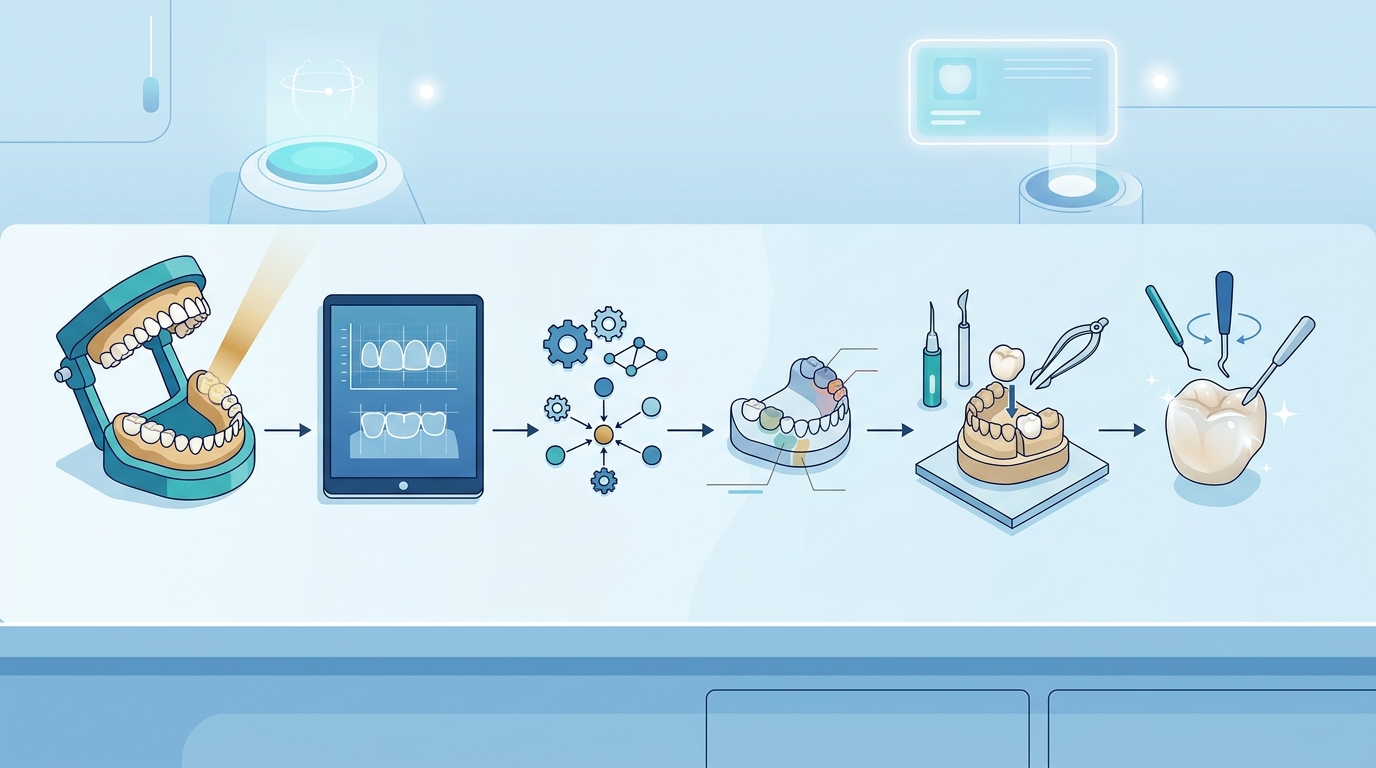
5. Material Selection and Aesthetic Planning
Choosing the right materials balances strength, durability, and visual appeal. Dentists select restorative materials based on the tooth's location and function. For front teeth, aesthetics are prioritized, while back teeth require materials that withstand heavy chewing forces. This step involves matching the shade and translucency of the restoration to the natural dentition.
6. Patient Consultation and Goal Alignment
Effective treatment planning requires open communication between the dentist and the patient. Clinicians discuss the proposed options, timelines, and expected outcomes with the patient. This phase ensures that the patient's cosmetic goals and functional needs are clearly understood. It also allows for informed consent regarding the scope of the treatment.
7. Execution and Long-Term Monitoring
The final step involves placing the restoration and establishing a maintenance schedule. After the restoration is cemented or bonded, the dentist checks the fit and bite one final time. Regular follow-up appointments are scheduled to monitor the health of the restoration and surrounding tissues. This ongoing care ensures that the investment in dental health is protected over time.
Choosing the Right Approach
When selecting a restoration plan, prioritize a provider who integrates diagnostic technology with personalized consultation. The best plans are not one-size-fits-all; they are tailored to your specific anatomy, bite, and aesthetic preferences. Look for a practice that explains each step clearly and involves you in the decision-making process.
Frequently Asked Questions
How long does it take to create a customized restoration plan?
The planning phase typically takes one to two visits. The first visit is for examination and imaging, while the second is for discussing options and finalizing the treatment strategy. Complex cases may require additional consultations with specialists.
What is the difference between a filling and a crown?
A filling is used to repair small areas of decay or damage, while a crown covers the entire tooth. Crowns are recommended when a significant portion of the tooth structure is compromised. The choice depends on the extent of the damage and the tooth's location.
Do I need a 3D scan for every restoration?
Not every restoration requires a 3D scan, but it is highly beneficial for complex cases. For simple fillings, standard X-rays may suffice. However, for implants, bridges, or full-mouth rehabilitation, 3D imaging provides the precision needed for successful outcomes.
How can I ensure my restoration looks natural?
Natural-looking restorations depend on accurate shade matching and material selection. Discuss your aesthetic goals with your dentist during the consultation. Using high-quality porcelain or composite materials can help achieve a seamless blend with your natural teeth.
What should I do if I am anxious about dental procedures?
Many patients experience dental anxiety, but sedation options are available to help. Techniques such as nitrous oxide or IV sedation can make the experience more comfortable. Discuss your fears with your dentist so they can tailor the approach to your needs.
Start Your Customized Plan
Ready to explore your options for restorative dentistry? Contact LI Dental Group in Garden City to schedule a consultation and begin building a treatment plan tailored to your unique needs.